Posts Tagged ‘European Commission’

European nanotech roadmap

Wednesday, May 15th, 2013

No event, document, or specific announcement appears to have occasioned the May 10, 2013 news item on Nanowerk about Europe’s nanotechnology roadmap (Note: A link was removed),

Nanotechnology is opening the way to a new industrial revolution. From ‘individualised’ medical treatments tailored for each patient to new, environmentally-friendly energy storage and generation systems, nanotechnology is bringing significant advances. Exciting new futures await those businesses able to get ahead in the race to turn this wealth of promise into commercial success. But in a field which requires a high degree of coordinated effort involving many different stakeholder groups, including researchers, policymakers and commercial players across a wide variety of industrial sectors, it has perhaps been inevitable that fragmentation, disconnectedness and duplication have stood in the way.

NANOfutures was set up in 2010 to tackle exactly this problem of fragmentation. Supported by European Union (EU) funding, NANOfutures is a European Technology and Innovation Platform (ETIP) bringing together industry, research institutions and universities, NGOs [nongovernmental organizations], financial institutions, civil society and policymakers at regional, national and European levels. Acting as a kind of ‘nano-hub’ for Europe, NANOfutures is dedicated to fostering a shared vision and strategy on the future of nanotechnology.

The May 9, 2013 European Commission news release, which originated the news item, goes on to describe the NANOfutures project which ended in Sept. 2012,

Reflecting its objective of achieving a truly cross-sectoral approach, breaking out of individual industry silos and addressing the major nanotech issues which are common to all sectors, NANOfutures set up a steering committee which included representatives from 11 European Technology Platforms (ETPs) – sector-specific networks of industry and academia – including those for textiles, nanomedicine, construction and transportation. Chaired by Professor Paolo Matteazzi of Italian specialist nanomaterials company MBN Nanomaterialia, the committee also included ten nanotechnology experts, each one chairing a NANOfutures working group on cross-sectoral topics such as safety, standardisation, regulation, technology transfer and innovative financing.

This approach allowed NANOfutures to identify key aspects of nanotechnology and its exploitation in which all players – from researcher to politician, financier, commercial developer, regulator or end-user – were involved and therefore had common interests.

One of the major successes achieved by the two-year project was securing an agreement by all 11 ETPs on a set of research and innovation themes for the next decade. “The ETPs agreed to focus their private efforts, and call for increasing public efforts, on such themes in order to bring European nano-enabled products to successful commercialisation, with benefits for the grand challenges of our time such as climate change, affordable and effective medicine, green mobility and manufacturing,” says the project’s coordinator, Margherita Cioffi of Italian engineering consultancy D’Appolonia.

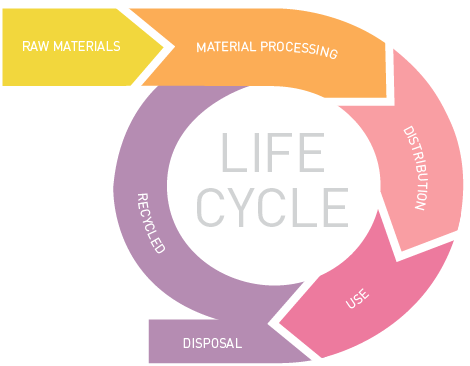
The most tangible result of this, and the key outcome from NANOfutures, was the development and publication of a ‘Research and Industrial Roadmap’ setting out, in Ms Cioffi’s words, “a pathway up to 2020 which will enable European industry and researchers to deliver and successfully commercialise sustainable and safe nano-enabled products.” Divided into seven separate thematic areas, or ‘value-chains’, the roadmap covers European priorities from materials research to product design, manufacturing, assembly, use and disposal. It describes both short- and longer-term actions with the aim of providing a practical guide for EC and Member State governments, research centres and industry, as well as standardisation and regulation bodies.

Other benefits directly resulting from the project, Ms Cioffi adds, were the sharing of safety best practices, the creation of partnerships to promote product development, training and other services, and the bringing together of relevant SME businesses with potential users and investors during specially organised Technology Transfer workshops.

Since it is not a product in itself, but a method with an enormous range of potential applications, nanotechnology naturally reaches into a diverse range of human activities. Paradoxically, almost, this very richness and universality of its benefits leads to a fragmentation of effort which acts as a barrier to its efficient exploitation. By bringing together the various stakeholders to create a unified, strategic approach, replacing fragmentation and duplication with a focus on areas of agreed priority and common interest, NANOfutures has played an invaluable role in promoting the rapid development of nanotechnology – with its twin benefits of societal usefulness and enhanced European competitiveness.

Project details

Project acronym: NANOFUTURES

  • Participants: Italy (Coordinator), Belgium, Spain
  • Project FP7 266789
  • Total costs: €1 171 011
  • EU contribution: €999 980
  • Duration: October 2010 – September 2012

The NANOfutures website provides more resources including a list of documents/deliverables  featuring a 148 pp. July 2012 roadmap. Unfortunately, I cannot provide a direct link to the roadmap or the documents page, for that matter.

At this point, the site is probably most valuable for its links to other project as a host of resources are organized under buttons (the left side of the home page) titled with Communication Projects, Finance Projects, Safety Projects, etc.

The UK’s Guardian newspaper science blogs go nano and experiment with editorial/advertorial

Tuesday, April 23rd, 2013

Small World, a nanotechnology blog, was launched today (Tuesday, Apr. 23, 2013)  on the UK’s Guardian newspaper science blogs network. Here’s more from the Introductory page,

Small World is a blog about new developments in nanotechnology funded by Nanopinion, a European Commission project. All the posts are commissioned by the Guardian, which has complete editorial control over the blog’s contents. The views expressed are those of the authors and not the EC

Essentially, Nanopinion is paying for this ‘space’ in much the same way one would pay for advertising but the posts will be written in an editorial style. In practice, this is usually called an ‘advertorial’. The difference between this blog and the usual advertorial is that the buyer (Nanopinion) is not producing or editing the content. By implication, this means that Nanopinion is not controlling the content. Getting back to practice, I would imagine that the Guardian editors are conscious that is an ethically complicated situation. It would be interesting to see what will happen to this paid-for-blog if ‘too many’ posts are negative or if their readership should decide this setup is so ethically questionable that they no longer trust or read the newspaper and/or its blogs.

The first posting on this blog by Kostas Kostarelos, professor of nanomedicine at University College London, on Apr. 23, 2013 is thoughtful (Note: Links have been removed),

There is beauty in exploring the nanoscale. But the idea gets more tainted the more we learn about it, like a young love affair full of expectation of the endless possibilities, which gradually becomes a dysfunctional relationship the more the partners learn about each other. One day we read about wonderful nanomaterials with exotic names such as zinc oxide nanowires, say, or silver nanocubes used to make ultra-efficient solar panels, and the next we read about shoebox bomb attacks against labs and researchers by anti-nanotechnology terrorist groups. It makes me wonder: is there a particular problem with nanotechnology?

As with all human relationships, we run the risk of raising expectations too high, too soon.

He goes on to discuss the dualistic nanotechnology discourse (good vs bad) and expresses his hope that the discourse will not degenerate into a ceaseless battle and says this,

… We should not allow vigilance, critical thinking and scientific rigor to transmute into polemic.

As someone who lives and breathes exploration on the nanoscale – which aims to create tools for doctors and other health professionals against some of our most debilitating diseases – I hope that this blog will offer an everyday insight into this journey and its great promises, flaws, highs and lows. We want to offer you a transparent and honest view of nanotechnology’s superhuman feats and its very human limitations.

I have mentioned Kostarelos in past postings, most recently in a Jan. 16, 2013 posting with regard to his involvement in a study on carbon nanotubes and toxicity.

As for Nanopinion, it put me in mind of another European Commission project, Nanochannels, mentioned in my Jan. 27, 2011 posting,

From the Jan. 17, 2011 news item on Nanowerk,

Nanotechnology issues are about to hit the mass media in a big way. The new EC-funded NANOCHANNELS project was launched last week with a two-day kick-off meeting that led to the planning of a dynamic programme of communication, dialogue, and engagement in issues of nanotechnology aimed at European citizens.

Here’s how they describe Nanopinion (from the About Nanopinion page),

Nanopinion is an EC-funded project bringing together 17 partners from 11 countries with the aim of monitoring public opinion on what we hope for from innovation with nanotechnologies. The project is aimed citizens with a special focus on hard-to-reach target groups, which are people who do not normally encounter and give their opinion nanotechnologies at first hand.

Dialogue is facilitated online and in outreach events in 30 countries presenting different participatory formats.

To promote an informed debate, we also run a strong press & social media campaign and offer a repository with more than 150 resources.

Finally, nanOpinion offers an innovative educational programme for schools.

There are differences but they do have a very strong emphasis on communication, dialogue, and outreach both for the public and for schools. Although how a blog in the Guardian science blogs network will help Nanopinion contact ‘hard-to-reach’ target groups is a bit of a mystery to me but perhaps the blog is intended to somehow help them ‘monitor public opinion’? In any event, they sure seem to have a lot of these ‘nano’ dialogues in Europe.

The title of this new Guardian science blog (Small World) reminded me of an old Disney tune, ‘It’s a small world.’ I refuse to embed it here but if you are feeling curious or nostalgic, here’s the link: http://youtu.be/nxvlKp-76io.

Safe Work Australia’s two new reports, Europe’s Nanodevice project, and the UK’s HSE nanomaterials handling

Monday, April 1st, 2013

Over the last few weeks in March (2013), there was a sudden burst of health and safety reports and initiatives released by Safe Work Australia, the European Commission’s Nanodevice project, and the UK’s Health and Safety Executive, respectively.

According to a Mar. 19, 2013 news item on Nanowerk, Safe Work Australia released two reports (Note: Links have been removed),

Safe Work Australia Chair Ann Sherry AO today released two research reports examining nanotechnology work health and safety issues.

The reports: Investigating the emissions of nanomaterials from composites and other solid articles during machining process and Evaluation of potential safety (physicochemical) hazards associated with the use of engineered nanomaterials are part of a comprehensive program of work on nanotechnology safety managed by Safe Work Australia which started in 2007.

The March 18, 2013 Safe Work Australia media release, which originated the news item,  provides some information about the approaches and models being used to analyse and develop policies,

In releasing the reports Ms Sherry noted the perceived safety risks of nanomaterials and that a precautionary approach is being taken by the Commonwealth towards nanomaterials under the National Enabling Technologies Strategy.“

While the risk to human health and safety from a number of these materials and applications is low some nanomaterials are potentially more hazardous, for example carbon nanotubes,” Ms Sherry said.

“The National Industrial Chemicals Notification and Assessment Scheme (NICNAS) has recommended carbon nanotubes be classified as suspected carcinogens unless product-specific evidence suggests otherwise.”

Under the model Work Health and Safety (WHS) laws all duties which apply to the handling of materials and to technologies in general also apply to nanomaterials and nanotechnologies. Minimisation of exposure to nanomaterials at work is essential until there is sufficient data to rule out hazardous properties. Research has shown if conventional engineering controls are designed and maintained effectively, exposure to nanomaterials can be significantly reduced.

As a result of the findings of these reports Safe Work Australia will prepare guidance material on combustible dust hazards including nanomaterials.

Here’s more about the reports (from their respective webpages),

Investigating the emissions of nanomaterials from composites and other solid articles during machining processes

This report by CSIRO considers the potential health risk of emissions from machining processes.

The report finds that significant quantities of material, which can present health risk, are emitted from composites by high energy machining processes like cutting with an electric disc saw or band saw. If the composite contains a hazardous nanomaterial, the health risk from the dust may be higher. Lower energy processes like manual cutting will result in lower exposures and lower potential health risk.

Evaluation of potential safety hazards associated with the use of engineered nanomaterials

This report by Toxikos Pty Ltd examines safety hazards associated with engineered nanomaterials and the implications in regard to workers safety.

The report finds that dust clouds of some engineered nanomaterials could give rise to strong explosions if the dust cloud contains a high enough concentration of nanomaterials and if an ignition source is also present. The report gives examples of these. However in a well-managed workplace, emissions from nanotechnology processes will be very significantly below the minimum dust concentration needed for an explosion.

A Mar. 20, 2013 news item on Nanowerk focused on the European Commission’s Nanodevice project,

European researchers in the Nanodevice project are investigating the safety aspects of nanomaterial production. Their plan laid down in 2009 was to develop new concepts, reliable methods and portable devices for detecting, analysing and monitoring airborne ENMs in the workplace. The latest feedback from the team suggests the project has delivered on its promise.

The project has concluded work on seven new ‘nanodevices’, which have been calibrated and tested for use in work environments exposed to nanoparticles. This work, alongside findings from materials studies and research into the association between ENM properties and their biological impacts, will appear in a new nanosafety handbook, called “Safe handling of manufactured nanomaterials: particle measurement exposure assessment and risk management”.

Complex research like this calls for an integrated, multidisciplinary approach,” confirms Nanodevice’s project leader, Dr Kai Savolainen of the Finnish Institute of Occupational Health.

What makes this particular health and safety project special is the focus on affordable monitoring for small and medium-size companies,

With affordable, portable equipment, even small companies can regularly measure their workers’ exposure to potentially harmful particles. When compared with a growing body of data from other workplaces, a more accurate assessment of risk and occupational health and safety emerges.

Prior to Nanodevice’s portable solutions, regular nanosafety checks could cost up to €200 000. The instrumentation hauled in from outside weighed hundreds of kilos and needed several experts to gather and analyse data from multiple sites. Big companies could afford this, but Europe’s important SME sector struggled with the cost.

“We’ve developed devices like a personal nanoparticle monitor for less than €200 that almost any company can afford and quickly learn to use,” says Dr Savolainen. Worn by a worker, the system collects exposure information, but needs to be plugged into a computer to download the data. This is not ideal, so Nanodevice is keen to develop this into a real-time sensing and monitoring device linked to the internet and databases.

“Today, lack of ‘big’ accurate data makes it hard to know if exposure values are too low,” explains Dr Savolainen, “so our work helps the scientific community build a large database on exposure levels in the working environment.” This means companies, regulators and stakeholders will have access to reliable information from which to base risk-assessment decisions and develop standards for occupational exposure levels for different types of ENMs.

“Thanks to our work, the ‘big picture’ is that people won’t have to be concerned about lack of information on exposure levels. This reduces uncertainty about ENM safety and fosters more innovation in nanosciences in general,” he concludes.

You can find out more about the Nanodevice project here.

Finally, the UK’s Health and Safety Executive released a guidance (I think we’d call them guidelines here in Canada) according to a Mar. 28, 2013 news item on Nanowerk (Note: A link has been removed),

The UK’s Health and Safety Executive (HSE) has released a new guidance (“Using nanomaterials at work”; pdf)that describes how to control occupational exposure to manufactured nanomaterials in the workplace. It will help you understand what you need to do to comply with the Control of Substances Hazardous to Health Regulations 2002 (COSHH) (as amended) when you work with these substances.

There’s more information about the guidance on the Using nanomaterials at work webpage where you can also find the document,

If you work with nanomaterials this guidance will help you protect your employees. If you run a medium-sized or large business, where decisions about controlling hazardous substances are more complex, you may also need professional advice. This guidance will also be useful for trade union and employee health and safety representatives.

This guidance is specifically about the manufacture and manipulation of all manufactured nanomaterials, carbon nanotubes (CNTs) and other bio-persistent high aspect ratio nanomaterials (HARNs). It has been prepared in response to emerging evidence about the toxicity of these materials.

The control principles described can be applied to all nanomaterials used in the workplace. Any differences in the approach between control of CNTs and other bio-persistent HARNs to any other type of nanomaterials are highlighted in the text.

For anyone who wants a direct link to the guidance, go here.

Home is the robot, home from the sea

Wednesday, March 27th, 2013

A Mar. 26, 2013 news item on Nanowerk features a robotics project designed for inspecting cargo vessels (Note: A link has been remvoed),

For huge cargo vessels that carry millions of litres of oil, thousands of shipping containers, or tens of thousands of tonnes of coal or steel, safety is paramount. These ships must comply with rising safety standards that require time-consuming inspections by surveyors, who in turn risk their own safety by climbing inside massive cargo areas and on scaffolding constructed around ships.

To help save time and money, and improve the accuracy and quality of these important inspections, an EU-funded research project has developed a fleet of remote-controlled robots that crawl through cargo ships in search of cracks, corrosion and other defects.

Equipped with robotic arms, cameras and magnetic wheels, the robots roll up and down the high, steep walls of ships, looking for defects on the massive steel plates and measuring their thickness with ultrasound. Controlled from a central station using virtual reality techniques, the robots crawl throughout the ship – taking pictures, videos and measurements without the need for human inspectors to go inside the hold or climb up scaffolding.

The project , known as MINOAS (Marine INspection rObotic Assistant System), holds the potential to make ships safer while also extending their life at sea.

The European Commission website (http://ec.europa.eu/research/transport/projects/items/minoas-maintenance-robots_en.htm) features this explanatory video,

Here’s more from the European Commission ‘MINOAS news’ page,

Among the four models of MINOAS robots is the “Magnet Crawler”, a two-wheeled, battery-powered device with a miniature video camera, two motors and a handle-shaped elastic tail. Weighing less than a kilogram, it climbs walls at a half-metre per second and transmits videos and images to human inspectors carrying hand-held receivers.

In a demonstration of their teamwork, the robots can conduct inspections in pairs – the first using a brush to clear away rust and dirt so that the second robot can use its ultrasonic device to measure the thickness of the wall. The robots’ advanced locomotion abilities enable them to operate in every compartment of ships.

The robots offer other advantages over human inspectors. “With the robots, we expect to obtain more data – quicker,” said Grasso [Alessandro Grasso of the Italian classification society RINA], whose organisation is charged with, among other responsibilities, certifying the safety and environmental worthiness of ships. “By having more detailed data, we can make more accurate comparisons with previous inspections, to see if there have been any changes that need to be addressed.”

This last point carries extra importance. By closely monitoring cracks, weak spots and other types of deterioration over time, ship owners will better be able to estimate future damage and the costs to repair it.

Grasso said MINOAS has received great interest at technology expos, and the project team expects the robots to reach the commercial market in the foreseeable future.

There is also a MINOAS website here.

For interested parties, the headline is a paraphrase of a line from a Robert Louis Stevenson poem. Interestingly, the original line is often misquoted according to the Wikipedia essay on Stevenson,

Stevenson had always wanted his ‘Requiem’ inscribed on his tomb:

Under the wide and starry sky,
Dig the grave and let me lie.
Glad did I live and gladly die,
And I laid me down with a will.
This be the verse you grave for me:
Here he lies where he longed to be;
Home is the sailor, home from sea,
And the hunter home from the hill.

However, the piece is misquoted in many places, including his tomb:

Home is the sailor, home from the sea,
And the hunter home from the hill.

Dublin (Ireland) hosts Europe’s largest nanotechnology conference

Thursday, March 14th, 2013

The announcement of Dublin’s nano hosting duties is in a Mar. 14, 2013 news item on Nanowerk  (Note: A link has been removed),

The 6th biannual conference, EuroNanoForum 2013, will gather experts and decision-makers of the nanotechnology community to Dublin this June. EuroNanoForum 2013 is the largest nanotechnology conference in Europe and will focus on the impact of nanotechnology in improving people’s lives, especially in the key societal sectors such as health, energy and environment. The event coincides with Nanotech Europe exhibition and the Nanoweek Ireland.

“The conference showcases innovation as a driver of economic growth. New technologies arising from nano-science and their applications are presented and potential new end products are discussed”, describes Herbert von Bose, Director, European Commission, DG Research & Innovation, Industrial Technologies.

The EuroNanoForum March 14, 2013 news release, which originated the news item, can be found here.

The forum organizers have created a Hot Topics page on the conference website (you can register for EuroNanoForum 2013 here) which provides some compelling reasons for attending,

Self-cleaning walls, lightweight airplanes and hydrogen fueled scooters drive the nano-future at EuroNanoForum 2013

We claim that by 2030, Europe will be a frontrunner in sustainable economy. The European Cleantech sector is steadily growing and it is taking a leading position in the global markets.  Companies, nations, and international consortia will capitalise on the business opportunity and what we have so far seen is just the tip of a vastly growing iceberg.

In EuroNanoForum 2013 Henning Zoz, the President of the Zoz Group, will present a concept which will revolutionize the refueling infrastructure. In the plenary, Nano in everyday life, he will elaborate on his company’s innovation – small tank cartridges containing nanostructured powder that can store an enormous amount of hydrogen virtually without pressure. With such changeable tanks it is already possible to drive a scooter, at Zoz GmbH in Wenden. The innovation ensures that surplus electricity output from renewable energy sources economically converted into hydrogen can be consumed as transportation-fuel.

Cure for cancer and improving hearing implants

Hans Hofstraat, VP of Philips Healthcare, and Patrick Boisseau, the Chairman of the ETP Nanomedicine, will lead the cadre of healthcare specialists in EuroNanoForum 2013. In Dublin we will hear what is the role of nanotechnology in answering the societal challenge of ageing populations. Moreover, will nano make vital medicine available to all people – not only in Europe but worldwide?

Over 60 million citizens in the EU suffer from hearing loss with its associated restrictions. Pascal Senn, Project Coordinator of NanoCi project from University of Bern, will present on the first conference day at the Healthcare session, how their project is developing implants to improve hearing. Using functional nano-materials, including carbon nanotubes, NanoCi aims at developing a cost-efficient and fully implantable neuro-prosthesis with substantially increased sound quality.

The Graphene Flagship will sail to EuroNanoForum 2013

The European Commission has chosen Graphene as one of Europe’s first 10-year, 1,000 million euro FET flagships. The mission of the flagship is to take graphene and related layered materials from academic laboratories to society, revolutionize multiple industries and create economic growth and new jobs in Europe. The Graphene flagship is a new form of joint, coordinated research initiative of unprecedented scale. It brings together an academic-industrial consortium aiming at a breakthrough for technological innovation. Involved are Nobel Laureates, top-notch research groups and the next generation industrial leaders.

From the start in 2013 the Graphene Flagship will coordinate 126 academic and industrial research groups in 17 European countries with an initial 30-month-budget of 54 million euro. The consortium will be extended with another 20-30 groups through an open call, issued soon after the start of the initiative, just after EuroNanoForum 2013. Will you sail with the ship or be left behind on the shore?

Wish I could be there.

ETA Apr. 22, 2013: Drat! I don’t like it when someone else does it. Well, I like it even less when I do it! I see the dates EuroNanoforum dates are not mentioned, they are June 18 – 20, 2013.

Prosthetics and the human brain

Friday, March 8th, 2013

On the heels of research which suggests that humans tend to view their prostheses, including wheel chairs, as part of their bodies, researchers in Europe  have announced the development of a working exoskeleton powered by the wearer’s thoughts.

First, there’s the ‘wheelchair’ research, from the Mar. 6, 2013 news item on ScienceDaily,

People with spinal cord injuries show strong association of wheelchairs as part of their body, not extension of immobile limbs.

The human brain can learn to treat relevant prosthetics as a substitute for a non-working body part, according to research published March 6 in the open access journal PLOS ONE by Mariella Pazzaglia and colleagues from Sapienza University and IRCCS Fondazione Santa Lucia of Rome in Italy, supported by the International Foundation for Research in Paraplegie.

The researchers found that wheelchair-bound study participants with spinal cord injuries perceived their body’s edges as being plastic and flexible to include the wheelchair, independent of time since their injury or experience with using a wheelchair. Patients with lower spinal cord injuries who retained upper body movement showed a stronger association of the wheelchair with their body than those who had spinal cord impairments in the entire body.

According to the authors, this suggests that rather than being thought of only as an extension of the immobile limbs, the wheelchairs had become tangible, functional substitutes for the affected body part. …

As I mentioned in a Jan. 30, 2013 posting,

There have been some recent legal challenges as to what constitutes one’s body (from The Economist article, You, robot? [you can find the article here: http://www.economist.com/node/21560986]),

If you are dependent on a robotic wheelchair for mobility, for example, does the wheelchair count as part of your body? Linda MacDonald Glenn, an American lawyer and bioethicist, thinks it does. Ms Glenn (who is not involved in the RoboLaw project) persuaded an initially sceptical insurance firm that a “mobility assistance device” damaged by airline staff was more than her client’s personal property, it was an extension of his physical body. The airline settled out of court.

According to the Mar. 6, 2013 news release on EurekAlert from the Public Library of Science (PLoS), the open access article by Pazzaglia and her colleagues can be found here (Note: I have added a link),

Pazzaglia M, Galli G, Scivoletto G, Molinari M (2013) A Functionally Relevant Tool for the Body following Spinal Cord Injury. PLOS ONE 8(3): e58312.doi:10.1371/journal.pone.0058312

At almost the same time as Pazzaglia’s work,  a “Mind-controlled Exoskeleton” is announced in a Mar. 7, 2013 news item on ScienceDaily,

Every year thousands of people in Europe are paralysed by a spinal cord injury. Many are young adults, facing the rest of their lives confined to a wheelchair. Although no medical cure currently exists, in the future they could be able to walk again thanks to a mind-controlled robotic exoskeleton being developed by EU-funded researchers.

The system, based on innovative ‘Brain-neural-computer interface’ (BNCI) technology — combined with a light-weight exoskeleton attached to users’ legs and a virtual reality environment for training — could also find applications in there habilitation of stroke victims and in assisting astronauts rebuild muscle mass after prolonged periods in space.

The Mar. 7, 2013 news release on CORDIS, which originated the news item, offers a description of the “Mindwalker” project,

‘Mindwalker was proposed as a very ambitious project intended to investigate promising approaches to exploit brain signals for the purpose of controlling advanced orthosis, and to design and implement a prototype system demonstrating the potential of related technologies,’ explains Michel Ilzkovitz, the project coordinator at Space Applications Services in Belgium.

The team’s approach relies on an advanced BNCI system that converts electroencephalography (EEG) signals from the brain, or electromyography (EMG) signals from shoulder muscles, into electronic commands to control the exoskeleton.

The Laboratory of Neurophysiology and Movement Biomechanics at the Université Libre de Bruxelles (ULB) focused on the exploitation of EEG and EMG signals treated by an artificial neural network, while the Foundation Santa Lucia in Italy developed techniques based on EMG signals modelled by the coupling of neural and biomechanical oscillators.

One approach for controlling the exoskeleton uses so-called ‘steady-state visually evoked potential’, a method that reads flickering visual stimuli produced at different frequencies to induce correlated EEG signals. Detection of these EEG signals is used to trigger commands such as ‘stand’, ‘walk’, ‘faster’ or ‘slower’.

A second approach is based on processing EMG signals generated by the user’s shoulders and exploits the natural arm-leg coordination in human walking: arm-swing patterns can be perceived in this way and converted into control signals commanding the exoskeleton’s legs.

A third approach, ‘ideation’, is also based on EEG-signal processing. It uses the identification and exploitation of EEG Theta cortical signals produced by the natural mental process associated with walking. The approach was investigated by the Mindwalker team but had to be dropped due to the difficulty, and time needed, in turning the results of early experiments into a fully exploitable system.

Regardless of which method is used, the BNCI signals have to be filtered and processed before they can be used to control the exoskeleton. To achieve this, the Mindwalker researchers fed the signals into a ‘Dynamic recurrent neural network’(DRNN), a processing technique capable of learning and exploiting the dynamic character of the BNCI signals.

‘This is appealing for kinematic control and allows a much more natural and fluid way of controlling an exoskeleton,’ Mr Ilzkovitz says.

The team adopted a similarly practical approach for collecting EEG signals from the user’s scalp. Most BNCI systems are either invasive, requiring electrodes to be placed directly into brain tissue, or require users to wear a ‘wet’ capon their head, necessitating lengthy fitting procedures and the use of special gels to reduce the electrical resistance at the interface between the skin and the electrodes. While such systems deliver signals of very good quality and signal-to-noise ratio, they are impractical for everyday use.

The Mindwalker team therefore turned to a ‘dry’ technology developed by Berlin-based eemagine Medical Imaging Solutions: a cap covered in electrodes that the user can fit themselves, and which uses innovative electronic components to amplify and optimise signals before sending them to the neural network.

‘The dry EEG cap can be placed by the subject on their head by themselves in less than a minute, just like a swimming cap,’ Mr Ilzkovitz says.

Before proceeding any further with details, here’s what the Mindwalker looks like,

© MINDWALKER (downladed from http://cordis.europa.eu/fetch?CALLER=OFFR_TM_EN&ACTION=D&RCN=10601)

© MINDWALKER (downloaded from http://cordis.europa.eu/fetch?CALLER=OFFR_TM_EN&ACTION=D&RCN=10601)

After finding a way to collect the EEG/EMG signals and interpret them, the researchers needed to create the exoskeleton (from the CORDIS news release),

The universities of Delft and Twente in the Netherlands proposed an innovative approach for the design of the exoskeleton and its control. The exoskeletonis designed to be sufficiently robust to bear the weight of a 100 kg adult and powerful enough to recover balance from external causes of instability such as the user’s own torso movements during walking or a gentle push from the back or side. Compared to other exoskeletons developed to date it is relatively light, weighing less than 30 kg without batteries, and, because a final version of the system should be self-powered, it is designed to minimise energy consumption.

The Mindwalker researchers achieved energy efficiency through the use of springs fitted inside the joints that are capable of absorbing and recovering some of the energy otherwise dissipated during walking, and through the development of an efficient strategy for controlling the exoskeleton.

Most exoskeletons are designed to be balanced when stationary or quasi-static and to move by little steps inside their ground stability perimeter, an approach known as ‘Zero moment point’, or ZMP. Although this approach is commonly used for controlling humanoid robots, when applied to exoskeletons, it makes them heavy and slow – and usually requires users to be assisted by a walking frame, sticks or some other support device when they move.

Alternatively, a more advanced and more natural control strategy can replicate the way humans actually walk, with a controlled loss of balance in the walking direction.

‘This approach is called “Limit-cycle walking” and has been implemented using model predictive control to predict the behaviour of the user and exoskeleton and for controlling the exoskeleton during the walk. This was the approach investigated in Mindwalker,’ Mr Ilzkovitz says.

To train users to control the exoskeleton, researchers from Space Applications Services developed a virtual-reality training platform, providing an immersive environment in which new users can safely become accustomed to using the system before testing it out in a clinical setting, and, the team hope, eventually using it in everyday life.

By the end of this year, tests with able-bodied trial users will be completed. The system will then be transferred to the Foundation Santa Lucia for conducting a clinical evaluation until May 2013 with five to 10volunteers suffering from spinal cord injuries. These trials will help identify shortcomings and any areas of performance improvement, the project coordinator says.

In the meantime, the project partners are continuing research on different components for a variety of potential applications. The project coordinator notes, for example, that elements of the system could be adapted for the rehabilitation of stroke victims or to develop easy-to-use exoskeletons for elderly people for mobility support.

Space Applications Services, meanwhile, is also exploring applications of the Mindwalker technology to train astronauts and help them rebuild muscle mass after spending long periods of time in zero-gravity environments.

There’s more about the European Commission’s Seventh Programme-funded Mindwalker project here.

Parallel with these developments in Europe, Miguel Nicolelis of Duke University has stated that he will have a working exoskeleton (Walk Again Project)  for the kickoff by a paraplegic individual for the opening of the World Cup (soccer/football) in Brazil in 2014. I mentioned Nicolelis and his work most recently in a Mar. 4, 2013 posting.

Taken together, this research which strongly suggests that people can perceive prostheses as being part of their bodies and exoskeletons that are powered by the wearer’s thoughts, we seem to be edging closer to a world where machines and humans become one.

NanoCelluComp; a European Commission-funded nanocellulose project

Thursday, March 7th, 2013

It was a bit of a surprise to find out there’s yet another nanocellulose fibre project but here it is in a Mar. 7, 2013 news item on Nanowerk,

The overall aim of the NanoCelluComp project is to develop a technology to utilise the high mechanical performance of cellulose nanofibres, obtained from food processing waste streams, combined with bioderived matrix materials, for the manufacture of 100% bio-derived high performance composite materials that will replace randomly oriented and unidirectional glass and carbon fibre reinforced plastics in a range of applications including transportation, wind turbines, biomedical, sport and consumer goods. More specifically, the project aims to develop a manufacturing process to form a 100% bio-composites with controlled alignment of the native modified cellulose nanofibres and evaluate these process with regard to the physical and mechanical performance of produced materials and suitability for use by industry via existing composite processing technologies. The project will also study the sustainability of the process and materials (nanocellulose bio-composites) in terms of environmental impacts and cost compared to existing materials, namely, carbon fibre reinforced plastics and glass fibre reinforced plastics.

It’s a project funded by the European Commission’s 7th Framework Programme whose funding runs out in Feb. 2014. Their fourth newsletter (PDF) is available for viewing. The most interesting bit of news in the publication (for me) is the announcement of a fifth meeting. From the 4th newsletter,

The consortium will next meet on the 14th and 15th of March at the facilities of KTH in Stockholm for its fifth meeting. The Project Technical Adviser, Prof Maria Tomoaia-Cotisel will also be in attendance. (p. 1)

The NanoCelluComp consortium is an amalgam of academic, government, and business agencies, from the NanoCelluComp website’s Consortium page,

Institute of Nanotechnology

The Institute of Nanotechnology (IoN) is one of the global leaders in providing nanotechnology information. It supplies industry and governments with intelligence on nanotechnology and its applications and has produced several important milestone publications. …

CelluComp

CelluComp is a composite materials technology company founded in 2004 by two expert materials scientists, Dr David Hepworth and Dr Eric Whale. …

University of Strathclyde

The University of Strathclyde (USTRATH) will be represented by the research group of Dr Simon Shilton. Dr Shilton’s group at Strathclyde has pioneered the use of rheological factors in hollow fibre membrane spinning. …

University of Copenhagen

The University of Copenhagen team (UCPH) comprises of research groups from the Department of Plant Biology and Biotechnology, the Department of Agriculture and Ecology and the Department of Food science at the Faculty of Life Sciences representing the complete repertoire of expertise and analytical methods required for the project. Prof. Peter Ulvskov will lead the team. …

Royal Institute of Technology (Sweden)

The Royal Institute of Technology (KTH) team is represented in the project by the cellulose-based nanomaterials group of the Division of Glycoscience led by Prof. Qi Zhou. The current research program of the group is centred on the construction of self-assembled composite materials with multi-functionalities and well-defined architectures using cellulose nanofibers, native and modified carbohydrate polymers.  …

University of Reading

The University of Reading team (UREAD) is represented by researchers from the department of Chemistry led by Dr Fred Davis. …

SweTree Technologies

SweTree Technologies (STT) is a plant and forest biotechnology company providing products and technologies to improve the productivity and performance properties of plants, wood and fibre for forestry, pulp & paper, packaging, hygiene, textile and other fibre related industries. …

AL.P.A.S. S.r.l.

AL.P.A.S. S.r.l. (ALPAS) is a manufacturer of Epoxy Resin, Polyurethane, PVC and other adhesive systems based in Northern Italy. The company has over 30 years experience in supplying these products to the Automotive, Electric/Electronics, Marble, Building and other industries. …

Swiss Federal Laboratories for Materials Science and Technology (EMPA)

Swiss Federal Laboratories for Materials Science and Technology (EMPA) is a materials science and technology research institution. …

Novozymes

Novozymes (NZ) is a world leader in bioinnovation and the world’s largest producer of industrial enzymes, with a market share of approximately 45%. …

Biovelop

Biovelop (BV) is an innovative Life Science company with production facilites in Kimstad, Sweden. The company specializes in the development and scaling up of cornerstone technologies in the area of extraction of functional ingredients from cereal grains and brans. …

I wish there was a bit more information in the fourth newsletter about what has been accomplished, from  the newsletter,

Work packages 1 and 2 are now completed (with feasibility studies on alternative vegetable waste streams performed, and methods for liberating and stabilizing nanocellulose achieved).

Work package 3 will conclude shortly with a better understanding of how to improve the mechanical properties of the liberated nanocelulose.

Activities in work package 4 are also nearing completion, with novel production processes achieved and resultant fibres now being tested.

Work package 5 activities to integrate all project research results have been slightly delayed, however initial test composites have been made. Following successful testing of these, the process will be scaled up to industrially relevant amounts.

Work package 6 has produced a report describing environment, health and safety (EHS) aspects and initial findings on end- user acceptability criteria for the developed composites. (p. 3)

Perhaps there’ll be something more in their mid-term report, assuming it gets published.

Namdiatream; a European multimodal diagnostics project

Tuesday, March 5th, 2013

I’ve written about lab-on-a-chip projects, point-of-care diagnostics, and other such initiatives on several occasions, most recently in a Mar. 1, 2013 posting about a technique where powder is used to make the diagnostic device more portable. This time it was a Europe-wide project described in a Mar. 4, 2013 news item on Nanowerk,which caught my attention (Note: A link has been removed),

The plan of the EU-funded consortium Nanotechnological toolkits for multi-modal disease diagnostics and treatment monitoring (Namdiatream) is not to cure cancer, per se, but to boost the sensitivity of diagnostics and the ability to monitor progress during treatment. They focused on three types – breast, prostate and lung cancer.

… The prototype devices being developed during the four-year project will detect common cancer cells much earlier and, with timely treatment, improve the chances of recovery.

According to the project leader, Professor Yuri Volkov of Trinity College Dublin’s School of Medicine, the portable nanodevices are based on innovative lab-on-a-chip, -bead and -wire technologies applicable in different settings – clinical, research, or point of care (i.e. hospitals). These lab-on-x technologies exploit the photo-luminescent (‘glow-in-the-dark’ light emitting), plasmonic (‘light-on-a-wire’), magnetic and unique optical properties of nanomaterials.

Volkov offers some insight into how the project started and its current state of evolution (from the news item),

This is ground-breaking work made possible thanks to advanced technology but also to EU funding for cross-border investigations. Teams across Europe were doing related but fragmented research, suggests Prof. Volkov. This risked leaving a team dangling if their approach failed or lacked funding.

“So we integrated our research and identified joint strengths to help one another develop the best technological approaches in case something didn’t work in one, or synergies were identified, thereby increasing the chances of wider success.”

At its half-way stage, notes Prof. Volkov, Namdiatream underwent a natural evolution when it became clear that by merging and refocusing work in some areas – i.e. in fluorescent nanomaterial technology and magnetic nanowire barcodes – it would speed up industrial implementation efforts.

“Now, work on the preclinical prototype devices is well under way,” he confirms. But one of the many remaining challenges is to calibrate their sensitivity, so that they do not give false readings, for instance.

The Namdiatream (Nanotechnological Toolkits for Multi-Modal Disease Diagnostics and Treatment Monitoring) home page offers more detail about the project,

Namdiatream is a truly interdisciplinary and Pan-european consortium that builds around 7 High-Tech SMEs [small to medium enterprises], 2 Multinational industries and 13 academic institutions. NAMDIATREAM will develop nanotechnology-based toolkit to enable early detection and imaging of molecular biomarkers of the most common cancer types and of cancer metastases, as well as permitting the identification of cells indicative of early-stage disease onset. The project is built on the innovative technology concepts of super-sensitive “lab-on-a-bead”, “lab-on-a-chip” and “lab-on-a-wire” nano-devices.

Interestingly, this too was on the home page,

The ETP Nanomedicine documents point out that nanotechnology has yet to deliver practical solutions for the patients and clinicians in their struggle against common, socially and economically important diseases such as cancer. Therefore NAMDIATREAM results will firstly aim to deliver to the diagnostic and medical imaging device companies involved in the consortium, and the clinical and academic partners. This could further provide the basis for cancer therapeutics as it will be possible to accurately assess the kinetics of cancer cell destruction during the course of appropriate therapy.

NanoForArt in Mexico

Friday, March 1st, 2013

Mexico recently hosted (Feb. 7 – 8, 2013) a pair of conferences focused on nanotechnology and art conservation. The country is part of an international consortium in the European Commision’s Seventh Framework Programme (FP7), NanoForArt project. Before mentioning the conference, here’s a little information about the NanoForArt project from its homepage,

The main objective of the NANOFORART proposal is the development and experimentation of new nano-materials and responsive systems for the conservation and preservation of movable and immovable artworks. [emphasis mine]

While the progress in material science has generated sophisticated nanostructured materials, conservation of cultural heritage is still mainly based on traditional methods and conventional materials that often lack the necessary  compatibility with the original artworks and a durable performance in responding to the changes of natural environment and man-made activities.

The main challenge of NANOFORART is the combination of sophisticated functional materials arising from the recent developments in nano-science/technology with innovative techniques in the restoration and preventive conservation of works of art, with unprecedented efficiency.

Immovable artworks tend to be things like cave art, frescoes, and other forms of wall and rock art. The Feb. 2013 conferences in Mexico as per a Feb. 27, 2013 Agencia EFE news item on the Global Post website featured (Note: Links have been removed),

Baglioni [Piero Baglioni, a researcher and professor at the University of Florence] and Dr. Rodorico Giorgi, also of the University of Florence, traveled to Mexico earlier this month to preside over a conference on Nanotechnology applied to cultural heritage: wall paintings/cellulose, INAH [Instituto Nacional de Antropología e Historia] said.

The project includes specialists from Italy, Spain, Britain, France, Denmark, the Czech Republic, Germany,  Slovenia and Mexico and is coordinated by the CSGI center [Center for Colloids and Surface Science] at the University of Florence.

NANONFORART is set to conclude in December 2014 with the “validation of the technology and the methods developed, as well as training activities,” INAH said.

Until now, preservation of cultural treasures has been carried out using conventional materials that are often incompatible with the works and can, over time, alter the appearance of the object.

Baglioni has worked with INAH personnel to clean and restore pre-Columbian murals at the Cacaxtla, Cholula, Tlatelolco, Mayapan, El Tajin, Monte Alban and Teotihuacan sites.

I have mentioned Baglioni’s work in Mexico previously in a Sept. 20, 2010 posting about  some work at La Antigua Ciudad Maya de Calakmul, an archaeological site which is located in the Campeche state.

Unfortunately, there aren’t too many details about the conferences, the Feb. 7, 2013 conference sported the previously noted title (in the Agencia EFE news item), Nanotechnology Applied to Cultural Heritage: Wall Paintings/Cellulose, and the Feb. 8, 2013 conference was titled, Nanotechnology for the Cleaning of Cultural Heritage.

There’s more information about nanotechnology aspects on the NanoForArt Overall page (Note: Links have been removed),

The work plan will start with design and formulation of nanostructured systems with special functionalities (WP1) such as deacidification of movable artworks (paper, parchment, canvas, leather), cleaning of movable artworks (paper, parchment, canvas paintings), protection of movable artworks (paper, canvas), consolidation of immovable artworks (wall-paintings, plaster and stones), and cleaning of immovable artworks (wallpaintings, plaster and stones). These systems, whose formulation will be optimized according to their functions, will include microemulsions, micellar solutions, gels and dispersions of different kinds of nanoparticles. A physico-chemical characterization of the developed materals (WP2) will constantly support the formulation activity. This will allow to understand and control the nature of interaction mechanisms between these nanostructures and the target substances/supports.

Assessment of the applicability of materials (WP3) will start in the second half of the first year. In this phase the up-scale of the technologies from the laboratory to the market level will be tackled. All the partners will interact in order to clarify and merge the priority from all the points of view. Evaluation of possible human health effects and environmental impacts of developed nanomaterials for restoration (WP7) will also start in the second half of the first year. Special emphasis will be given to potential hazardousness of nanoparticles used for design and formulation of nanostructured systems, as well as environmental impacts associated with the use of these nano-based products.

Nanotechnology developed by NANOFORART will aim also to significantly reduce the use of harmful solvents, as well as to introduce new environmentally friendly nanomaterials. Once the applicability and safety of the developed materials will be assessed, the development of industry process (WP4, WP5) will start in order to transfer technology on the market by the standardization of the applicative protocols and production of the nanomaterials on medium and large scale. Small and Medium Enterprise (SME) partners will have their main competence in this phase, that should start at the beginning of the second year. Safety and health risks of the industry processes will be also assessed. At the end of the first year, a study of the long-term behavior of the products and of the treated works of art (WP6) will be started by means of artificial ageing, in order to avoid damages due to unforeseen phenomena. The partners will have their main competence in ageing, monitoring of environmental pollution, and control of exhibitions and museums conditions.

The project is scheduled for completion in 2014.

The aspect I find most interesting is the ‘immovable art’. There was a controversy in Spain in 2011 over the prospect of opening some caves to tourists, from the Oct. 26, 2011 news item on ScienceDaily,

Plans to reopen Spain’s Altamira caves are stirring controversy over the possibility that tourists’ visits will further damage the 20,000-year old wall paintings that changed views about the intellectual ability of prehistoric people. That’s the topic of an article in the current edition of Chemical & Engineering News, ACS’ weekly newsmagazine. The caves are the site of Stone Age paintings so magnificent that experts have called them the “Sistine Chapel of Paleolithic Art.”

Carmen Drahl, C&EN associate editor, points out in the article that Spanish officials closed the tourist mecca to the public in 2002 after scientists realized that visitors were fostering growth of bacteria that damage the paintings. Now, however, they plan to reopen the caves. Declared a World Heritage Site by the United Nations’ Educational, Scientific and Cultural Organization (UNESCO), Altamira’s rock paintings of animals and human hands made scientists realize that Stone Age people had intellectual capabilities far greater than previously believed.

You can find an Oct. 6, 2011 piece about the Altamira rock paintings by Drahl titled, Keeping Visitors Out To Keep Cave Paintings Safe, on the Chemical and Engineering News (C&EN) blog. For anyone interested in more about rock art, there’s a UNESCO (United Nations Educational, Scientific, and Cultural Organization) World Rock Archives project or, as they call them, activity,

Due to their long sequence chronology, susceptibility to climate changes and vandalism, rock art sites are also among the most vulnerable on the World Heritage List.

Rock art, in the form of paintings and engravings, is a clear and lasting evidence of the transmission of human thoughts and beliefs through art and graphic representations. It functions as a repository of memory, enabling each culture to speak about themselves and their origins in all geographical settings.

I have two more items on cave art. The first is a piece I’ve been wanting to feature for almost two years. It’s an article on Slate by John Jeremiah Sullivan dated March 21, 2011 and titled, America’s Ancient Cave Art
Deep in the Cumberland Plateau, mysterious drawings, thousands of years old, offer a glimpse of lost Native American cultures and traditions. It’s an excerpt of an essay Sullivan wrote for the Paris Review. A fascinating exploration of a cave system that isn’t nearly as well known as France’s Lascaux Caves, here’s a snippet,

Over the past few decades, in Tennessee, archaeologists have unearthed an elaborate cave­-art tradition thousands of years old. The pictures are found in dark­ zone sites—places where the Native American people who made the artwork did so at personal risk, crawling meters or, in some cases, miles underground with cane torches—as opposed to sites in the “twilight zone,” speleologists’ jargon for the stretch, just beyond the entry chamber, which is exposed to diffuse sunlight. A pair of local hobby cavers, friends who worked for the U.S. Forest Service, found the first of these sites in 1979. They’d been exploring an old root cellar and wriggled up into a higher passage. The walls were covered in a thin layer of clay sediment left there during long­ ago floods and maintained by the cave’s unchanging temperature and humidity. The stuff was still soft. It looked at first as though someone had finger­-painted all over, maybe a child—the men debated even saying anything. But the older of them was a student of local history. He knew some of those images from looking at drawings of pots and shell ornaments that emerged from the fields around there: bird men, a dancing warrior figure, a snake with horns. Here were naturalistic animals, too: an owl and turtle. Some of the pictures seemed to have been first made and then ritually mutilated in some way, stabbed or beaten with a stick.

That was the discovery of Mud Glyph Cave, which was reported all over the world and spawned a book and a National Geographic article. No one knew quite what to make of it at the time. The cave’s “closest parallel,” reported the Christian Science Monitor, “may be caves in the south of France which contain Ice Age art.” A team of scholars converged on the site.

The sites range from Missouri to Virginia, and from Wisconsin to Florida, but the bulk lie in Middle Tennessee. Of those, the greater number are on the Cumberland Plateau, which runs at a southwest slant down the eastern part of the state, like a great wall dividing the Appalachians from the interior.

If you do decide to read the excerpt, you may want to reserve 30 to 45 minutes (at least).

For the last tidbit, here’s an introduction to TED (Technology, Entertainment and Design) Fellow, Genevieve von Petzinger’s work on cave art,

Genevieve von Petzinger’s [from the University of Victoria in British Columbia, Canada] database of prehistoric geometric shapes in cave art reveals some startling insights. More than mere doodles, the signs used across geological boundaries suggest there may have been a common iconography before people first moved out of Africa. When did people begin graphic communication, and what was its purpose? Genevieve studies these questions of our common heritage.

A very interesting interview follows that introduction.

As I more often cover movable art, I thought it was time to devote, again, at least part of a posting to immovable art.

European Union’s NanoCode to be extended to all European science?

Tuesday, February 5th, 2013

The Feb. 5, 2013 Nanowerk Spotlight article is given over to a description of a report on the European Union’s NanoCode Project and recommendations from NanoTrust, a project of the Austrian Academy of Sciences, from spotlight article (Note: Footnotes have been removed),

The [European] Commission recommendation for a code of conduct for responsible nanosciences and nanotechnologies research (code of conduct) dates from 2008. Nevertheless, it continues to be a subject of discussion.

Thus the 2012 final report on the NanoCode research project, which has been monitoring the development and implementation of the nanotechnology code over two years, recommends inter alia that the principles and guidelines of the code be extended to all new technologies and to science as a whole. The initiative for a Commission recommendation on “Responsible research and innovation”, launched by the EU Commission in March 2012 adopts the same approach: The principles and guidelines of the code of conduct should be extended to all technologies and also include production and application.

There are difficulties (implementation issues) associated with implementing the NanoCode, which should be obvious from a glance at the responsibilities/obligations, from the NanoTrust dossier no. 36en, December 2012, The EU code of conduct for nanosciences and nanotechnologies research PDF (4 pp),

“Obligations” on the basis of the code

Researchers

• Research in the public interest

• Consideration of fundamental ethical principles and fundamental rights

• Risk research as an element of all applications for funds

• Responsibility for the consequences of research

Research funding bodies

• Research priorities with respect to socially useful research, risk assessment, metrology and standardisation

• Uniformity of standardisation and metrology

• Accountability in the light of research priorities

• Publication of the cost-benefits assessment of funded projects

Member States

• Collaboration between Member States and the Commission

• Monitoring and control systems

• Dissemination

• Encouragement of research in accordance with the code

• Annual report on application and measures within the framework of the code

EU Commission

• Compliance with the code when granting research funding

• Collaboration with the Member States

• Review of the code every two years

• Dissemination (p. 3)

In addition to implementation, there are issues about authority, compatibility within various legal frameworks, and language, from the spotlight article,

The code is the subject matter of discussions in the legal world. Specifically, the discussion addresses (1) whether the Commission has any jurisdiction to issue such a recommendation; (2) in what manner it could take effect de facto and de jure; (3) whether the principles of the code are sufficiently specific; and (4) whether individual guidelines are compatible with the fundamental rights of the freedom of science.

There is also a need to construe the principal responsibility laid down under accountability. In the German version of the code, it is not clear whether this accountability (“Rechenschaftspflicht”) is a legal responsibility or is intended to encourage a “culture of responsibility” (4.1). The term “accountability” in the English version tends not to suggest a legal obligation to render accounts. [emphases mine]

While prospects for implementing the NanoCode are not good, this dossier from NanoTrust provides good insight into the complexities of arriving at agreements of any kind. Documents for the NanoCode project can be found here.